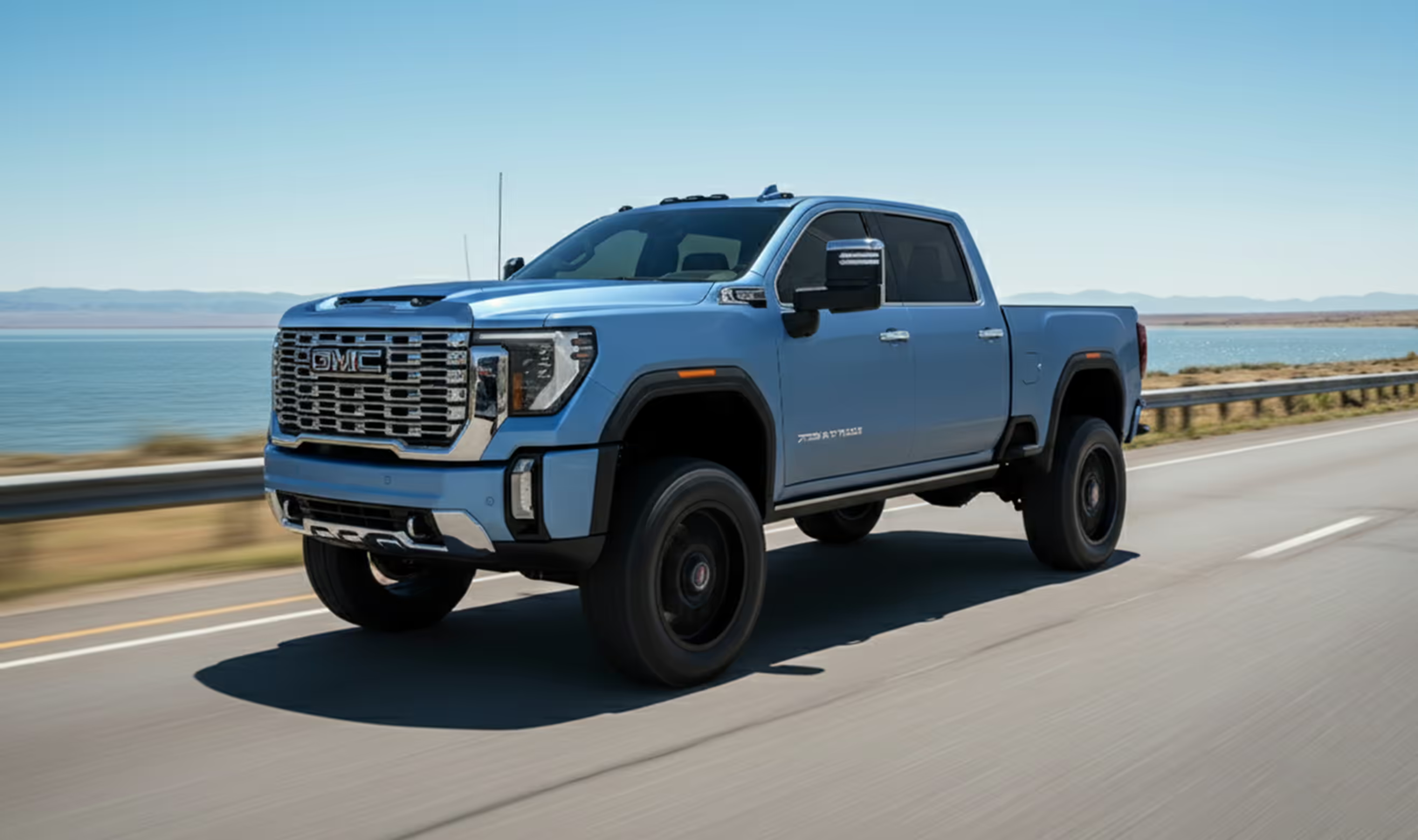
Best Window Tint for Cars in Texas Heat

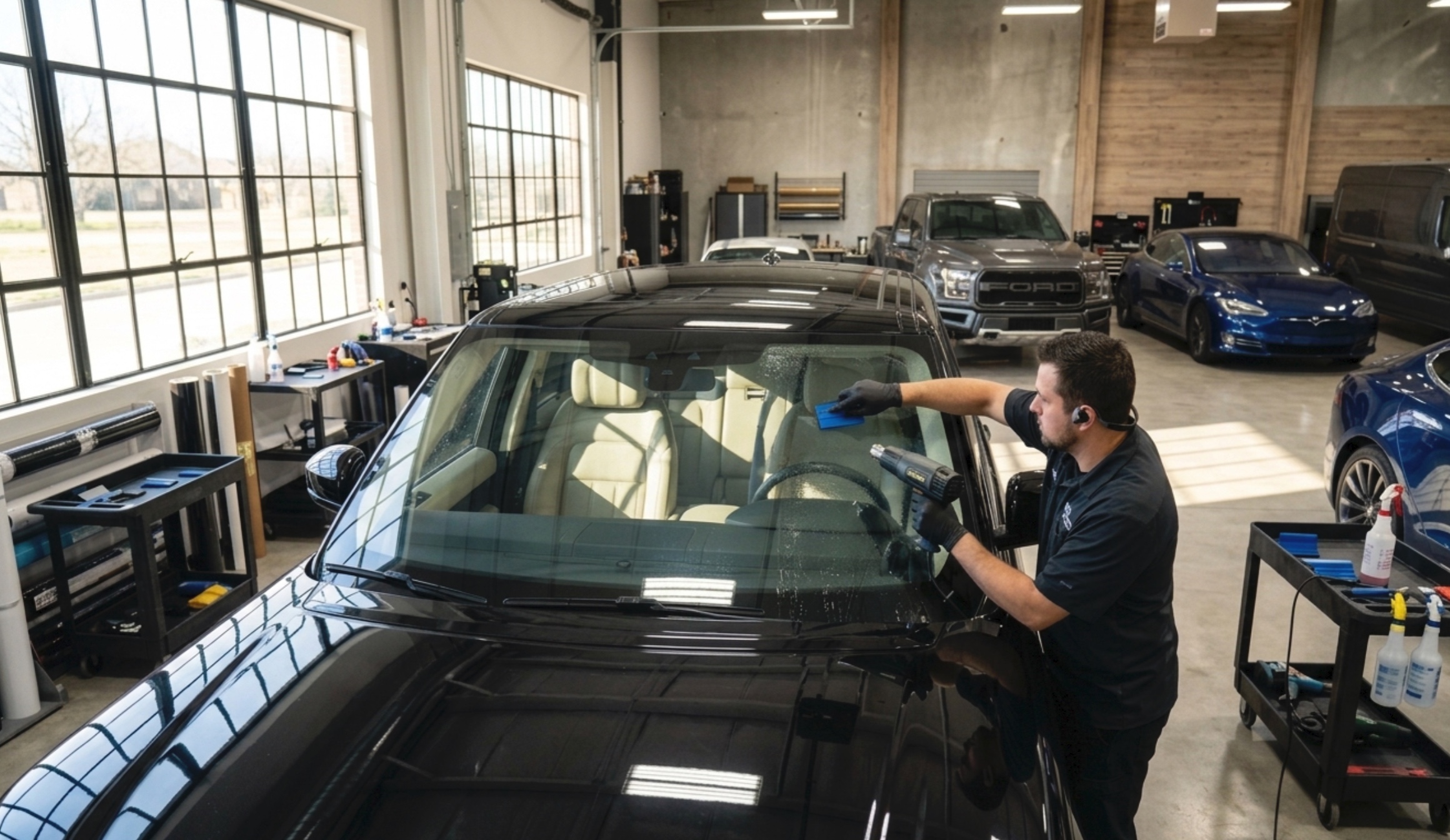
Best Window Tint for Cars in Texas Heat
Texas heat can turn a parked car into an uncomfortable space within minutes. The seats become hot, the steering wheel becomes difficult to touch, and the air-conditioning system must work hard to cool the cabin.
The right car window tint can make a noticeable difference.
However, finding the best window tint for cars involves more than choosing the darkest film available. Tint darkness, heat rejection, UV protection, visibility, film quality, and professional installation all affect how well the finished tint performs.
For many North Texas drivers, a high-quality ceramic window tint is one of the strongest options for controlling heat while maintaining good visibility. Carbon window tint and other film types may also be appropriate depending on your goals and budget.
C4 Wraps provides professional window tinting in McKinney, TX, for cars, trucks, SUVs, vans, and commercial vehicles. Our team can help you compare window tint film for cars and select an option that fits your driving habits, appearance preferences, and heat-reduction goals.
Call C4 Wraps at 469-458-2700 to request a quote or discuss the best car window tint for your vehicle.
What Makes a Window Tint Good for Texas Heat?
The best window tint for Texas is not necessarily the darkest tint.
A quality window tint should help control several different types of energy entering through your vehicle's glass.
Important performance factors include:
- Solar heat rejection
- Infrared heat rejection
- UV protection
- Visible-light transmission
- Glare reduction
- Optical clarity
- Film durability
- Color stability
- Installation quality
A dark film may reduce visible light but still provide weak heat rejection. A lighter, high-quality ceramic tint may block more heat than a darker, lower-quality film.
This is why drivers should compare performance rather than choosing based only on appearance.
Why Texas Drivers Need Heat-Blocking Window Tint
Texas vehicles are regularly exposed to strong sunlight and high temperatures.
Heat-blocking window tint can help:
- Reduce solar heat entering the cabin
- Make the vehicle more comfortable while driving
- Help the air conditioner cool the interior
- Reduce glare from bright sunlight
- Protect passengers from UV exposure
- Slow fading and drying of interior materials
- Improve privacy
- Give the vehicle a cleaner appearance
Window tint cannot keep a parked car completely cool during extreme summer temperatures. It can, however, reduce the amount of heat entering through the glass and improve comfort once the vehicle is running.
Ceramic Tint: A Strong Choice for Texas Heat
Ceramic tint is widely considered one of the best window tint options for hot climates.
Ceramic window tint contains advanced ceramic particles designed to reject heat and UV radiation without depending on metal-based construction.
Potential benefits include:
- Strong heat rejection
- High UV protection
- Reduced glare
- Good optical clarity
- Stable color
- Improved privacy
- No metallic appearance
- Performance without requiring extremely dark film
For drivers who spend a lot of time on Texas roads, ceramic tint for cars can provide meaningful daily comfort.
How Ceramic Window Tint Works
Ceramic tint is designed to reduce the amount of solar and infrared energy entering through the glass.
Infrared energy is a major contributor to the heat you feel from sunlight. A high-quality ceramic car tint can reject a meaningful portion of this energy while still allowing useful visible light through the window.
This allows drivers to choose a lighter tint shade without sacrificing all heat-control performance.
The exact results depend on:
- The ceramic film selected
- The tint shade
- The vehicle's factory glass
- The size of the windows
- The quality of installation
Not all products labeled ceramic provide the same performance. Ask the installer about the specifications of the exact film being offered.
What Is Nano Ceramic Tint?
Nano ceramic tint uses extremely small ceramic particles within the film.
These particles are designed to help manage heat and UV radiation while maintaining visibility and clarity.
Nano ceramic window tint may be a good fit for drivers who want:
- Strong heat control
- UV protection
- A nonmetallic film
- Good visibility
- A lighter shade with strong performance
- A premium tint option
The word "nano" does not automatically make one product better than every other ceramic film. Film quality, testing, specifications, installation, and warranty still matter.
Is Ceramic Tint the Best Car Window Tint?
For many Texas drivers, ceramic tint may be the best overall option because it offers a useful combination of heat rejection, UV protection, clarity, and appearance.
It may be especially valuable for:
- Daily commuters
- Families
- Rideshare drivers
- Sales professionals
- Contractors
- Delivery drivers
- Luxury vehicle owners
- Drivers who park outside
- Owners planning to keep the vehicle long-term
However, ceramic film also tends to cost more than basic or carbon window tint.
The best car window tint depends on your budget and priorities. Drivers primarily interested in appearance or privacy may not need the highest-performing ceramic film available.
Carbon Window Tint
Carbon window tint is another popular automotive window tint option.
It typically contains carbon particles designed to provide:
- A dark, nonreflective appearance
- UV protection
- Some heat rejection
- Greater color stability than basic dyed film
- Reduced glare
- Improved privacy
Carbon film often costs less than premium ceramic window tint while providing better performance than many entry-level films.
It can be a good middle option for drivers who want more than basic tint but do not need the highest available heat rejection.
Carbon Versus Ceramic Window Tint
When comparing carbon vs. ceramic window tint, consider performance, cost, and your driving habits.
Heat Rejection
Ceramic film generally offers stronger heat rejection than carbon film, although performance varies by product.
For Texas heat, this can make ceramic tint more attractive to drivers who prioritize cabin comfort.
UV Protection
Both carbon and ceramic films can provide strong UV protection. Review the specifications for the exact product.
Clarity
High-quality ceramic film often provides excellent optical clarity.
Appearance
Carbon film usually creates a dark, matte, nonreflective appearance. Ceramic tint is available in multiple shades and can also provide a clean finish.
Cost
Carbon window tint generally costs less than premium ceramic tint.
Best Use
Carbon film may work well for drivers who want improved style, privacy, and moderate heat reduction at a lower cost.
Ceramic film may be better for drivers who want stronger heat control and premium performance.
Basic Dyed Window Tint
Dyed tint is often one of the most affordable types of car tint.
It may provide:
- A darker appearance
- Greater privacy
- Some glare reduction
- Basic UV protection
However, lower-quality dyed tint may provide less heat rejection and may be more likely to fade or change color over time.
A basic dyed film may be appropriate for a driver who mainly wants appearance and privacy, but it is not usually the strongest choice for controlling severe Texas heat.
Reflective Window Tint
Reflective window tint contains materials that create a mirrored or reflective appearance.
It may provide strong heat rejection by reflecting solar energy away from the glass.
Potential advantages include:
- Heat reduction
- Glare control
- Added daytime privacy
- A distinctive appearance
Potential disadvantages may include:
- A highly reflective exterior look
- Reduced nighttime visibility with darker films
- Restrictions or limitations for automotive use
- A style that does not suit every vehicle
Reflective window tint is more common in architectural applications than on personal vehicles. Drivers should confirm whether the film is appropriate for automotive glass.
Polarized Window Tint
The phrase "polarized window tint" is sometimes used when discussing glare reduction.
Polarization is commonly associated with sunglasses and specialized optical products. Automotive window films are more often described by their visible-light transmission, heat rejection, UV protection, and glare-reduction performance.
Some films may be marketed using polarized terminology, but drivers should focus on verified product specifications rather than the label alone.
Ask the tint installer how the film reduces glare and whether it is designed specifically for automotive use.
UV Window Tint
UV window tint is designed to reduce ultraviolet radiation entering through the vehicle's glass.
High-quality automotive window tint can block up to 99% of harmful UV rays, depending on the film.
This can help protect:
- The driver's skin
- Passengers
- Children in the back seat
- Leather seating
- Cloth upholstery
- Dashboards
- Door panels
- Interior trim
UV protection is important even when a film appears light. A nearly clear, high-quality film may provide greater UV protection than a dark, low-quality product.
Heat-Reducing Window Film
Heat-reducing window film is designed to control solar energy entering the vehicle.
When comparing products, ask about:
- Total solar energy rejection
- Infrared rejection
- UV rejection
- Visible-light transmission
- Glare reduction
- Warranty coverage
These measurements give you a better idea of actual performance.
Do not assume every product described as heat-blocking window tint performs equally.
Is Darker Window Tint Better for Heat?
Not always.
A darker tint reduces more visible light, but visible darkness does not directly determine heat rejection.
For example, a dark basic film may make the cabin look shaded but still allow substantial infrared heat to pass through.
A lighter ceramic window tint may provide stronger heat rejection while allowing more visible light through the glass.
Choose tint based on tested performance and your visibility needs, not darkness alone.
Choosing the Best Tint Shade
Window tint shades are commonly described by visible-light transmission percentages.
A higher percentage allows more visible light through. A lower percentage creates a darker appearance.
Lighter Tint
A lighter window tint may provide:
- Better nighttime visibility
- A more subtle appearance
- Heat and UV protection with quality film
- A closer-to-factory appearance
Medium Tint
A medium shade may provide a balance of:
- Privacy
- Glare reduction
- Visibility
- Style
- Heat control
Dark Tint
A darker film may provide:
- Greater privacy
- A stronger visual change
- Increased glare reduction
However, an extremely dark tint may make nighttime driving more difficult and may not be appropriate for every window.
A professional tint installer can help you choose a shade based on your vehicle, preferences, and visibility needs.
What Is the Best Window Tint Brand?
There is no single best window tint brand for every driver and every budget.
Several well-known manufacturers produce quality automotive film. However, brand name alone does not guarantee the best result.
When evaluating window tint, consider:
- Film specifications
- Heat rejection
- UV protection
- Optical clarity
- Color stability
- Warranty
- Product authenticity
- Installer experience
A premium film can still look poor when installed incorrectly. A professional installation is just as important as the brand.
C4 Wraps is certified by respected industry manufacturers such as 3M and Avery Dennison across its wrap services and focuses on premium materials and professional workmanship.
What Makes High-Quality Window Tint Different?
High-quality window tint should provide more than a dark appearance.
It should offer:
- Consistent color
- Clear visibility
- Reliable adhesive
- Good edge stability
- Heat-rejection performance
- UV protection
- Reduced glare
- Resistance to bubbling and peeling
- Appropriate warranty coverage
Lower-quality film may:
- Turn purple
- Bubble
- Peel
- Distort visibility
- Scratch easily
- Provide weak heat rejection
- Fail earlier
Professional window tinting combines quality film with proper glass preparation and careful installation.
Why Professional Window Tinting Matters
Even the best window tint film can fail to look right when installed poorly.
Professional installation involves:
- Inspecting the glass
- Cleaning the windows thoroughly
- Removing old tint and adhesive
- Shaping film for curved glass
- Positioning the film accurately
- Removing moisture
- Finishing the edges
- Inspecting the completed installation
Poor installation may create:
- Bubbles
- Dust beneath the film
- Wrinkles
- Gaps
- Peeling edges
- Uneven tint
- Scratches
- Reduced visibility
When searching for the best window tinting near you, evaluate the installer as carefully as the film.
Window Tint for Different Types of Vehicles
The best tint may vary depending on the vehicle.
Cars
Car window tint can improve heat control, privacy, UV protection, and appearance for sedans, coupes, sports cars, and luxury vehicles.
Trucks
Truck owners may prioritize heat reduction around the driver and passenger areas, as well as matching darker factory rear glass.
SUVs
SUVs often have large windows and larger cabins. Ceramic film may help control heat throughout the interior.
Vans
Personal and commercial vans can benefit from reduced heat, glare, and UV exposure.
Commercial Vehicles
Automotive window tint can improve driver comfort in work trucks and vans. C4 Wraps can also combine tint with commercial vehicle wraps for businesses that want comfort and branding.
How Much Does High-Quality Window Tint Cost?
The cost depends on:
- Vehicle year, make, and model
- Number of windows
- Vehicle size
- Film type
- Ceramic versus carbon film
- Windshield coverage
- Sunroof coverage
- Existing tint removal
- Installation complexity
Ceramic tint typically costs more than carbon or basic film because it offers stronger heat-control performance.
The lowest price may not include the best window tint film, full vehicle coverage, old-tint removal, or warranty protection.
Call C4 Wraps at 469-458-2700 for a vehicle-specific quote.
How to Compare Window Tint Options
Before choosing a film, ask the installer:
- What type of film is this?
- Is it ceramic, carbon, or dyed?
- How much heat does it reject?
- How much UV radiation does it block?
- What shade options are available?
- How will it affect nighttime visibility?
- What warranty is included?
- Is existing tint removal included?
- Which windows are included in the quote?
- Is the windshield included?
- Is the sunroof included?
A professional installer should be able to explain the differences clearly.
Why Choose C4 Wraps for Window Tinting?
C4 Wraps provides professional window tinting from its McKinney, TX, shop.
The company focuses on:
- High-quality workmanship
- Premium materials
- Professional installation
- Clear communication
- Transparent service
- Honest recommendations
- Customer satisfaction
- A simple appointment process
C4 Wraps also offers:
- Commercial vehicle wraps
- Color-change wraps
- Paint protection film
- Boat wraps
- Architectural wraps and graphics
The shop is located at:
C4 Wraps
8176 FM 2478, Building 8650, Suite F
McKinney, TX 75071
Call 469-458-2700 to discuss the best tint option for your vehicle.
Schedule Professional Window Tinting in McKinney
The right window tint can make daily driving in Texas more comfortable while protecting passengers and the vehicle's interior.
C4 Wraps can help you compare:
- Ceramic window tint
- Carbon window tint
- Different tint shades
- Heat-rejection options
- UV-protection options
- Standard and premium films
- Windshield and sunroof coverage
Call 469-458-2700 to request a quote and schedule professional window tinting.
Conclusion
For many drivers, ceramic window tint is one of the best window tint options for Texas heat.
It can provide strong heat rejection, UV protection, reduced glare, good visibility, and a clean appearance. Carbon window tint can also provide a useful balance of performance, appearance, and price.
The best car window tint depends on your vehicle, driving habits, budget, and comfort goals. Darkness alone does not determine performance, and the most expensive film is not automatically necessary for every driver.
Look at heat rejection, UV protection, clarity, warranty, and installation quality before making a decision.
C4 Wraps provides professional car window tinting in McKinney, TX, for drivers throughout Collin County and nearby North Texas communities.
Call C4 Wraps at 469-458-2700 to request a quote and find the best window tint for your car, truck, SUV, van, or commercial vehicle.
Frequently Asked Questions About the Best Window Tint for Cars
What is the best window tint for Texas heat?
Ceramic window tint is often one of the strongest choices because it can provide high heat rejection, UV protection, clarity, and glare reduction.
Is ceramic tint better than regular tint?
Ceramic tint generally provides stronger heat-control performance than basic dyed film. The best option depends on your goals and budget.
Is ceramic tint better than carbon tint?
Ceramic film generally offers greater heat rejection, while carbon film may provide good privacy, appearance, and moderate heat control at a lower price.
What is nano ceramic tint?
Nano ceramic tint uses very small ceramic particles designed to reject heat and UV radiation while maintaining clarity.
Is carbon window tint good for Texas?
Carbon film can be a good mid-range option for drivers who want a dark appearance, UV protection, and moderate heat rejection.
What is the difference between carbon and ceramic window tint?
Ceramic tint generally offers stronger heat rejection and premium performance. Carbon tint often costs less and provides good appearance, privacy, and color stability.
Does darker tint block more heat?
Not necessarily. A lighter ceramic film may block more heat than a darker basic film. Compare performance specifications instead of darkness alone.
What is heat-blocking window tint?
Heat-blocking tint is film designed to reduce solar and infrared energy entering through the vehicle's glass.
What is UV window tint?
UV window tint is designed to reduce ultraviolet radiation. Many high-quality films block up to 99% of harmful UV rays.
What is polarized window tint?
The term may be used to describe glare-reducing film, but automotive tint is more commonly compared using visible-light transmission, heat rejection, UV protection, and glare reduction.
Is reflective window tint good for cars?
Reflective tint may reduce heat, but its mirrored appearance may not suit every vehicle and may be subject to restrictions. Confirm that the film is designed for automotive use.
What tint shade is best?
The best shade depends on privacy preferences, visibility, appearance, and the windows being tinted. Medium or lighter ceramic films can provide heat control without an extremely dark appearance.
Is the darkest tint the best tint?
No. Extremely dark tint can reduce visibility, especially at night. Performance depends on film construction, not darkness alone.
What is the best window tint brand?
Several manufacturers offer quality films. Compare product specifications, warranty, authenticity, and installer experience rather than choosing by brand name alone.
Does window tint help the air conditioner?
Tint can reduce heat entering through the glass, which may help the air-conditioning system cool the cabin more efficiently.
Can window tint protect my interior?
Yes. UV-blocking film can help reduce fading, drying, and cracking of seats, dashboards, and interior trim.
Does ceramic tint interfere with electronics?
Ceramic tint is nonmetallic and is generally selected by drivers who want performance without metal-based construction.
How much does ceramic tint cost?
Pricing depends on the vehicle, number of windows, film selected, windshield coverage, sunroof coverage, and old-tint removal.
Can C4 Wraps tint trucks and SUVs?
Yes. C4 Wraps provides professional tinting for cars, trucks, SUVs, vans, and commercial vehicles.
Where can I find the best window tinting near me in McKinney?
C4 Wraps provides professional window tinting at 8176 FM 2478, Building 8650, Suite F, McKinney, TX 75071.
How do I schedule window tinting with C4 Wraps?
Call 469-458-2700 to discuss your vehicle, compare film options, request a quote, and schedule an appointment.
Explore Similar featured articles
Get inspired by our most impactful stories and ideas — handpicked to showcase the latest in design, technology, and strategy for wraps that turn heads.

Stand Out in Wraps — And Stay Remembered.
Step into the world of unforgettable vehicle wraps. With C4 Wraps, your perfect vision becomes reality — whether it’s your fleet, your car, or your space. Get noticed everywhere, wrap now and pay later, and enjoy a custom design experience built entirely around your vision.