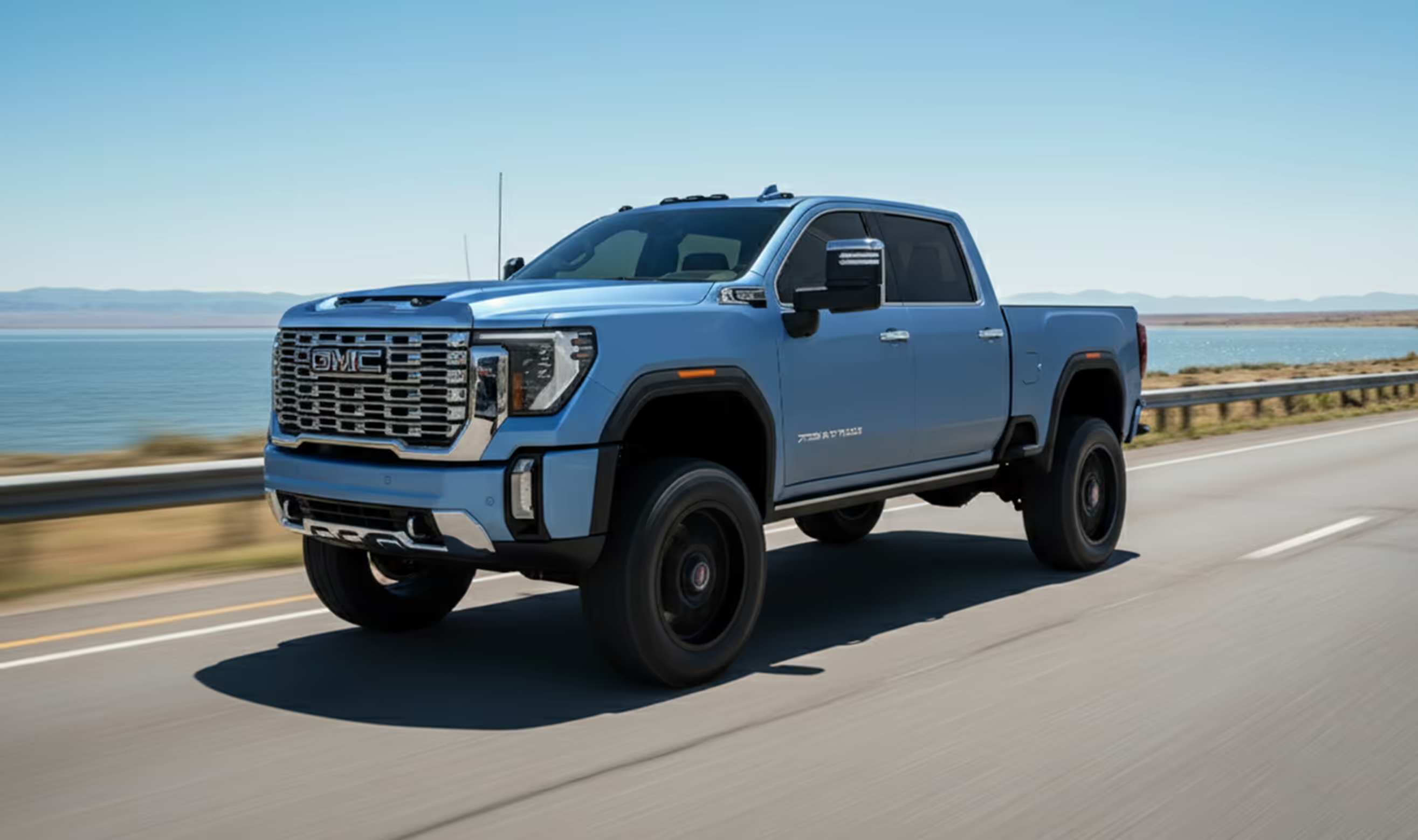
Windshield Tint in McKinney, TX

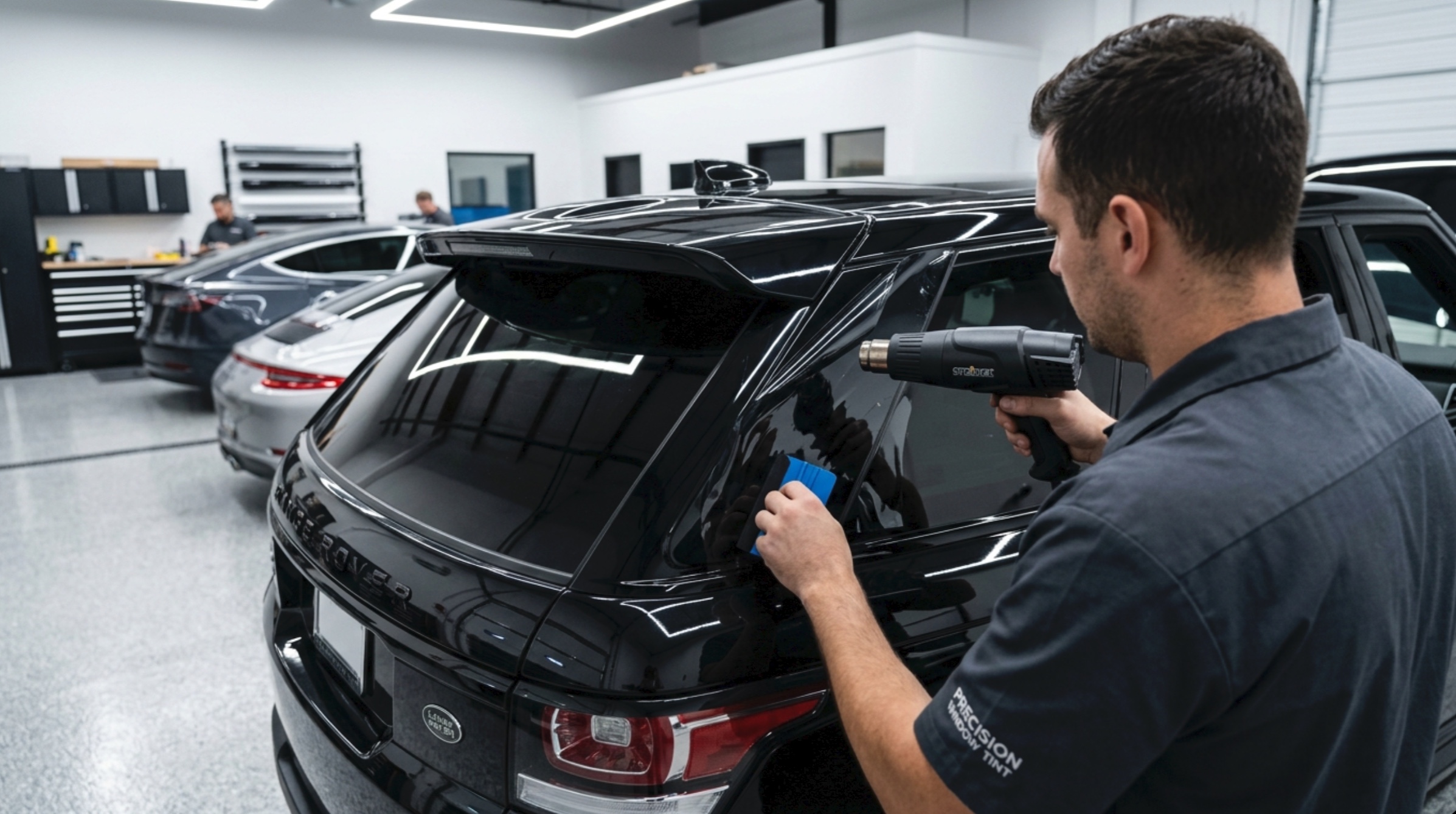
Windshield Tint in McKinney, TX
Your windshield is one of the largest pieces of glass on your vehicle. It gives you a clear view of the road, but it also allows sunlight, heat, glare, and ultraviolet rays to enter the cabin.
Professional windshield tint can help make driving through McKinney and the surrounding North Texas area more comfortable.
Depending on the film selected, windshield tint may reduce heat, block harmful UV rays, limit glare, protect your interior, and make it easier for your air-conditioning system to cool the vehicle. The key is choosing a film that improves comfort without unnecessarily reducing visibility.
C4 Wraps provides professional car window tinting in McKinney, TX, for cars, trucks, SUVs, vans, and commercial vehicles. Our team can help you compare options such as a light ceramic windshield tint, a front windshield tint strip, or coordinated tint for the rest of your vehicle.
Call C4 Wraps at 469-458-2700 to request a quote or discuss windshield tint options for your vehicle.
What Is Windshield Tint?
Windshield tint is automotive window film installed on some or all of the front windshield.
Common windshield tint options include:
- A full, light windshield film
- Ceramic windshield tint
- Nano ceramic tint
- UV window tint
- A front windshield tint strip
- A visor strip near the top of the windshield
- Coordinated front side-window tint
Unlike dark privacy tint commonly used on rear windows, windshield tint is usually selected with visibility as the highest priority.
Many drivers choose a lighter film that appears nearly clear but still provides heat and UV protection.
Why Tint the Front Windshield?
The windshield can allow a significant amount of sunlight into the cabin because of its size and angle.
Tinting the windshield may help with several common driving concerns.
Reduce Heat Entering the Cabin
Strong North Texas sunlight can heat the dashboard, steering wheel, seats, and surrounding interior surfaces.
Heat-blocking window tint can reduce the amount of solar energy entering through the windshield. This can help the cabin feel more comfortable and may make it easier for the air conditioner to cool the interior.
No film will keep a parked vehicle completely cool during a Texas summer. However, a quality windshield film can reduce the amount of heat entering through the glass.
Block Harmful UV Rays
High-quality automotive window film can block up to 99% of harmful ultraviolet rays, depending on the specific product selected.
UV window tint may help protect:
- Drivers and passengers
- The dashboard
- Leather and cloth seating
- Door panels
- Interior trim
- Electronics
- Personal belongings
Repeated UV exposure can contribute to fading, drying, and cracking over time.
Reduce Glare
Bright sunlight can make it uncomfortable to see the road, especially during morning and evening drives.
A properly selected windshield film may reduce glare from:
- Direct sunlight
- Wet pavement
- Reflective vehicles
- Glass buildings
- Bright surroundings
A front windshield tint strip can also help reduce sunlight entering through the upper portion of the glass.
Improve Daily Driving Comfort
Drivers who spend significant time commuting, making deliveries, visiting job sites, or traveling around North Texas may notice the benefits of windshield film more frequently.
Even a light film can improve comfort without creating a heavily tinted appearance.
Full Windshield Tint Versus a Windshield Tint Strip
Drivers generally consider two main options: a full windshield film or a tint strip near the top.
Full Windshield Tint
A full windshield tint covers nearly the entire interior surface of the windshield.
Because the windshield is critical for safe driving, full coverage is usually completed with a lighter film designed to preserve visibility.
Potential benefits include:
- Heat rejection across the entire windshield
- UV protection
- Reduced glare
- A consistent appearance
- Protection for the dashboard and interior
A lighter ceramic film may provide performance without making the windshield look extremely dark.
Front Windshield Tint Strip
A front windshield tint strip is a band of darker film installed near the top of the windshield.
It is also sometimes called:
- A windshield tint strip
- A visor strip
- A sun strip
- An eyebrow tint
The strip is designed to reduce glare from sunlight entering above the driver's normal line of sight.
Potential benefits include:
- Reduced overhead glare
- A darker visor-like effect
- Lower cost than full windshield tinting
- Minimal impact on the main viewing area
- A custom appearance
A windshield strip does not provide full-glass heat or UV protection, but it may help with direct overhead sunlight.
What Is 70% Window Tint?
A 70 window tint allows approximately 70% of visible light to pass through.
It is one of the lightest commonly discussed tint percentages and may appear nearly clear on some vehicles.
A 70% window tint may be considered for a windshield because it can preserve a high level of visible light while still providing benefits associated with a quality film.
The terms 70 percent window tint and 70 VLT window tint generally refer to the same visible-light transmission level.
What Does 70 VLT Mean?
VLT stands for visible-light transmission.
A 70 VLT window tint allows approximately 70% of visible light through the film.
This does not mean it blocks only 30% of heat. Visible-light transmission and heat rejection are separate measurements.
A high-quality 70 ceramic window tint may reject a meaningful amount of heat and UV radiation while still looking light.
This is why drivers should compare film performance rather than choosing based only on darkness.
What Is 70 Ceramic Window Tint?
A 70 ceramic window tint is a light ceramic automotive film with approximately 70% visible-light transmission.
It may be selected by drivers who want:
- A subtle appearance
- Good visibility
- Heat rejection
- UV protection
- Reduced glare
- A nearly clear windshield film
- Ceramic performance without dark glass
The exact performance will depend on the specific film installed.
Not all 70% films provide the same level of heat rejection, clarity, or UV protection.
Ceramic Windshield Tint
Ceramic windshield tint is made with ceramic-based technology designed to reduce heat and UV exposure without relying on an extremely dark appearance.
Potential benefits include:
- Stronger heat rejection than many entry-level films
- High UV protection
- Reduced glare
- Good optical clarity
- Nonmetallic construction
- Multiple tint percentages
- A clean, subtle appearance
Ceramic window tint is often a strong option for drivers who want comfort and performance while maintaining visibility.
Front Windshield Ceramic Tint
Front windshield ceramic tint is generally selected in a lighter percentage because drivers need a clear view of the road.
A light ceramic windshield film may help reduce:
- Solar heat
- Infrared energy
- UV exposure
- Glare
- Dashboard fading
- Cabin discomfort
The appropriate film depends on the vehicle, visibility needs, and intended application.
C4 Wraps can help you compare available options before installation.
Nano Ceramic Windshield Tint
Nano ceramic tint uses extremely small ceramic particles within the film.
These particles are designed to help manage heat and UV radiation while maintaining clarity.
Nano ceramic windshield tint may appeal to drivers who want:
- Strong heat control
- UV protection
- A nonmetallic film
- Good visibility
- A lighter tint percentage
- Premium film performance
The word "nano" alone does not guarantee that one film is better than another. Ask about the product's specifications, warranty, and performance.
Tint Percentage and Windshield Visibility
Window tint percentage measures how much visible light passes through the glass and film.
A higher window tint percentage creates a lighter appearance.
A lower percentage creates a darker appearance.
For example:
- 70% tint is light.
- 50% tint is more noticeable.
- 35% tint is moderately dark.
- 20% tint is dark.
- 5% tint is extremely dark.
Because the windshield is the driver's primary view of the road, lighter percentages are generally more appropriate than very dark tint.
Film Percentage Versus Final Window Percentage
The film percentage alone does not always equal the finished VLT.
Automotive glass may already block some visible light before tint is installed.
When film is applied to the existing glass, the final measurement may be darker than the number printed on the film.
For example, installing a 70% film does not guarantee the completed windshield will measure exactly 70%.
A professional installer can explain how the factory glass may affect the final result.
Does Windshield Tint Reduce Heat?
A quality windshield film can reduce heat entering through the glass.
However, the amount of heat reduction depends on the film's construction and performance-not simply how dark it appears.
A light ceramic window tint may provide better heat rejection than a darker, lower-quality film.
When comparing heat-blocking window tint, ask about:
- Total solar energy rejection
- Infrared rejection
- UV rejection
- Visible-light transmission
- Optical clarity
- Warranty coverage
These specifications provide more useful information than tint percentage alone.
Does Windshield Tint Block UV Rays?
Many high-quality windshield films block a significant amount of harmful UV radiation.
This can help protect both occupants and the vehicle's interior.
UV exposure through the windshield can affect:
- Skin
- Dashboards
- Leather seats
- Cloth upholstery
- Interior plastics
- Navigation screens
- Trim materials
A light UV window tint may provide protection without dramatically darkening the windshield.
Can Windshield Tint Reduce Glare?
Yes, the right film can help reduce glare.
However, a windshield should not be made excessively dark simply to control sunlight.
A light ceramic film or windshield tint strip may reduce glare while maintaining useful visibility.
Drivers should consider:
- Daytime glare
- Nighttime visibility
- Rain
- Poorly lit roads
- Headlights
- Interior reflections
- Personal eyesight
What Is Polarized Window Tint?
The phrase "polarized window tint" is sometimes used when customers are looking for glare reduction.
Polarization is most commonly associated with sunglasses and specialized optical products. Automotive window films are more often compared using:
- Visible-light transmission
- Heat rejection
- UV protection
- Glare reduction
- Film construction
A film may be marketed using polarized terminology, but customers should focus on verified product specifications and whether the film is designed for automotive glass.
Windshield Tint Versus Front Window Tint
Windshield tint and front window tint are not the same service.
Windshield Tint
Windshield tint covers part or all of the front windshield.
The primary concerns are:
- Visibility
- Heat reduction
- UV protection
- Glare control
Front Window Tint
Front window tint generally refers to the driver and passenger door windows.
These windows may use a darker shade than the windshield, depending on the vehicle and intended appearance.
Drivers often tint the front side windows to:
- Match darker factory rear glass
- Increase privacy
- Reduce glare
- Improve heat control
- Create a consistent appearance
C4 Wraps can help coordinate the windshield and side-window films so the vehicle looks intentional and balanced.
Windshield Tint for Cars, Trucks, and SUVs
Windshield film can benefit many types of vehicles.
Cars
Sedans, coupes, sports cars, and luxury vehicles may benefit from reduced heat and UV exposure through the front glass.
Trucks
Pickup trucks often have large windshields that allow significant sunlight into the cabin.
SUVs and Crossovers
SUVs may have large windshields, side windows, and panoramic roofs. Coordinated ceramic tint can improve comfort throughout the vehicle.
Vans
Personal and commercial vans may benefit from heat reduction during long drives or workdays.
Commercial Vehicles
Work vehicles can become uncomfortable when drivers spend hours on the road. Windshield and side-window tint may improve daily comfort.
Professional Windshield Tinting Versus DIY Installation
Windshield tint is one of the more difficult automotive tint installations because of the glass size, curvature, and importance of clear visibility.
A professional installer must:
- Inspect the windshield
- Clean the glass thoroughly
- Remove contamination
- Shape the film
- Work around sensors and equipment
- Position the film accurately
- Remove moisture
- Inspect clarity and edges
DIY installation may result in:
- Creases
- Bubbles
- Dust beneath the film
- Uneven edges
- Visual distortion
- Poor adhesion
- Reduced visibility
- Wasted film
Professional window tinting improves the likelihood of a clean and consistent result.
How Windshield Tint Is Installed
A typical professional installation includes the following steps.
1. Inspect the Windshield
The installer reviews the glass, existing film, sensors, cameras, and other windshield features.
2. Discuss Your Goals
You explain whether you want:
- Heat reduction
- UV protection
- Glare control
- A light full-windshield film
- A front windshield tint strip
- Coordinated side-window tint
3. Select the Film
The installer explains the available ceramic, tint-percentage, and performance options.
4. Clean the Glass
The windshield is thoroughly cleaned to reduce contamination beneath the film.
5. Shape the Film
The film is prepared to fit the windshield's size and curvature.
6. Install the Film
The film is positioned on the inside surface of the windshield.
7. Inspect the Finished Work
The installer checks clarity, edges, coverage, and visible contamination.
8. Explain Curing and Care
You receive instructions on curing, cleaning, and what to expect after installation.
What to Expect While Windshield Tint Cures
Freshly installed film needs time to dry.
You may temporarily notice:
- Light haze
- Small moisture pockets
- A slightly cloudy appearance
- Minor visual changes as the film dries
These commonly improve during the curing process.
Do not press on moisture pockets or attempt to push them out yourself.
Contact the installer if a concern remains after the recommended curing period.
How to Care for Tinted Windshield Film
To protect the film:
- Use a soft microfiber cloth.
- Use an ammonia-free tint-safe cleaner.
- Avoid abrasive pads.
- Keep sharp objects away from the film.
- Do not scrape the interior glass.
- Follow the installer's curing instructions.
- Avoid attaching items directly to the film without guidance.
Care should also be taken when using dashboard mounts, suction cups, or accessories near the windshield film.
How Much Does Windshield Tint Cost?
Windshield tint pricing depends on:
- Vehicle year, make, and model
- Windshield size
- Windshield curvature
- Film selected
- Ceramic versus standard film
- Full windshield versus strip
- Existing film removal
- Sensors and vehicle technology
- Installation complexity
A full ceramic windshield film generally costs more than a simple visor strip because it requires more material and installation time.
Call C4 Wraps at 469-458-2700 for a quote based on your vehicle.
Questions to Ask Before Tinting a Windshield
Before booking, ask:
- What type of film is being installed?
- What tint percentage is it?
- How much visible light does it transmit?
- Is it ceramic film?
- How much heat does it reject?
- How much UV radiation does it block?
- Will it affect nighttime visibility?
- Is it designed for automotive windshields?
- Is a warranty included?
- How long will installation take?
- How long will the film need to cure?
A professional tint shop should clearly explain the available options.
Why Choose C4 Wraps for Windshield Tint in McKinney?
C4 Wraps provides professional automotive window tinting from its McKinney shop.
The team focuses on:
- High-quality workmanship
- Professional installation
- Premium materials
- Clear communication
- Honest recommendations
- Transparent service
- Customer satisfaction
- A straightforward appointment process
C4 Wraps also provides:
- Commercial vehicle wraps
- Color-change wraps
- Paint protection film
- Boat wraps
- Architectural wraps and graphics
The shop is located at:
C4 Wraps
8176 FM 2478, Building 8650, Suite F
McKinney, TX 75071
Call 469-458-2700 to request a windshield tint quote or compare film options.
Schedule Windshield Tinting in McKinney
Your windshield allows a large amount of sunlight into your vehicle. The right film can help reduce heat, UV exposure, and glare without creating an unnecessarily dark appearance.
C4 Wraps can help you compare:
- Full windshield tint
- Front windshield tint strips
- Ceramic windshield tint
- Nano ceramic tint
- 70% window tint
- UV-blocking film
- Coordinated side-window tint
Call 469-458-2700 to discuss your vehicle and schedule professional window tinting.
Conclusion
Windshield tint can improve comfort, reduce glare, block harmful UV rays, and help control heat entering through one of the largest pieces of glass on your vehicle.
For many drivers, a lighter ceramic film provides the best balance of heat rejection and visibility. A 70% ceramic window tint may appear nearly clear while still offering valuable performance, depending on the film selected.
A front windshield tint strip may be a better option for drivers who mainly want help with overhead glare.
The right choice depends on your vehicle, driving habits, visibility needs, and comfort goals.
C4 Wraps provides professional windshield and car window tinting in McKinney, TX, for drivers throughout Collin County and nearby North Texas communities.
Call C4 Wraps at 469-458-2700 to request a quote and find the right windshield tint for your vehicle.
Frequently Asked Questions About Windshield Tint
Where can I get windshield tint near me in McKinney?
C4 Wraps provides professional window tinting at 8176 FM 2478, Building 8650, Suite F, McKinney, TX 75071.
What is windshield tint?
Windshield tint is automotive film installed on part or all of the front windshield to reduce heat, UV exposure, glare, or sunlight.
What is a front windshield tint strip?
It is a darker strip of tint installed near the top of the windshield to reduce glare from overhead sunlight.
What is the difference between a windshield tint strip and full windshield tint?
A strip covers only the upper portion of the glass. Full windshield tint covers nearly the entire windshield and may provide broader heat and UV protection.
What is ceramic windshield tint?
Ceramic windshield tint is ceramic-based automotive film designed to provide heat rejection, UV protection, glare reduction, and clarity.
What is nano ceramic tint?
Nano ceramic tint uses very small ceramic particles designed to manage heat and UV radiation while maintaining visibility.
What does 70% window tint mean?
A 70% film allows approximately 70% of visible light through.
What is 70 VLT window tint?
It is window film with approximately 70% visible-light transmission.
Is 70% window tint dark?
No. It is relatively light and may appear nearly clear on some vehicles.
Is 70% ceramic window tint good for a windshield?
It may be a useful option for drivers who want heat and UV protection with a light appearance. The exact performance depends on the film.
Does windshield tint reduce heat?
Yes, quality windshield film can reduce solar heat entering through the glass.
Does windshield tint block UV rays?
Many high-quality automotive films block up to 99% of harmful UV rays, depending on the product.
Can windshield tint reduce glare?
Yes. A light full-windshield film or windshield strip may reduce glare while preserving visibility.
Is darker windshield tint better?
Not necessarily. Dark tint can reduce visibility. A lighter ceramic film may provide stronger heat rejection than a darker basic film.
Does tint percentage determine heat rejection?
No. Tint percentage measures visible light, while heat rejection depends on the film's construction and performance.
What is polarized window tint?
The term may be used for glare-reducing products, but automotive films are better compared by visible-light transmission, heat rejection, UV protection, and clarity.
Can C4 Wraps tint front side windows too?
Yes. C4 Wraps provides car window tinting for front side windows, rear windows, and other vehicle glass.
How much does windshield tint cost?
The cost depends on the windshield, film selected, full coverage versus a strip, and installation complexity. Call C4 Wraps for a quote.
How long does windshield tint take to install?
Installation time varies by vehicle, windshield size, film, and any existing tint that must be removed.
How long does windshield film take to cure?
Curing time depends on temperature, humidity, weather, and film type. Follow the installer's instructions.
How should I clean a tinted windshield?
Use a soft microfiber cloth and an ammonia-free cleaner that is safe for automotive window film.
Can I use a suction-cup mount on tinted windshield film?
Ask your installer before attaching suction cups or accessories directly to the film, as they may affect or damage it.
How do I schedule windshield tinting with C4 Wraps?
Call 469-458-2700 to discuss your vehicle, compare film options, request a quote, and schedule an appointment.
Explore Similar featured articles
Get inspired by our most impactful stories and ideas — handpicked to showcase the latest in design, technology, and strategy for wraps that turn heads.

Stand Out in Wraps — And Stay Remembered.
Step into the world of unforgettable vehicle wraps. With C4 Wraps, your perfect vision becomes reality — whether it’s your fleet, your car, or your space. Get noticed everywhere, wrap now and pay later, and enjoy a custom design experience built entirely around your vision.