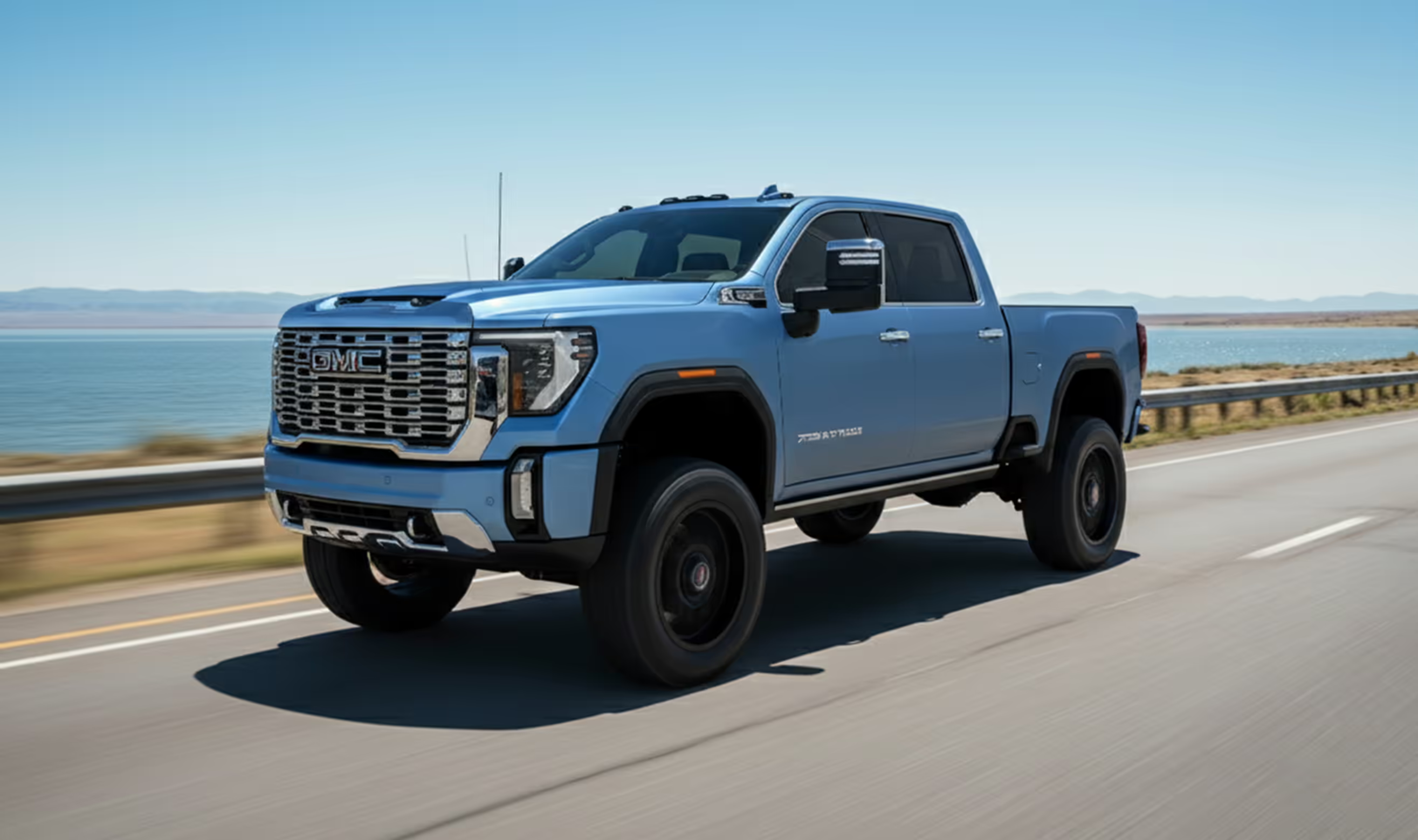
Carbon Window Tint vs Ceramic Window Tint

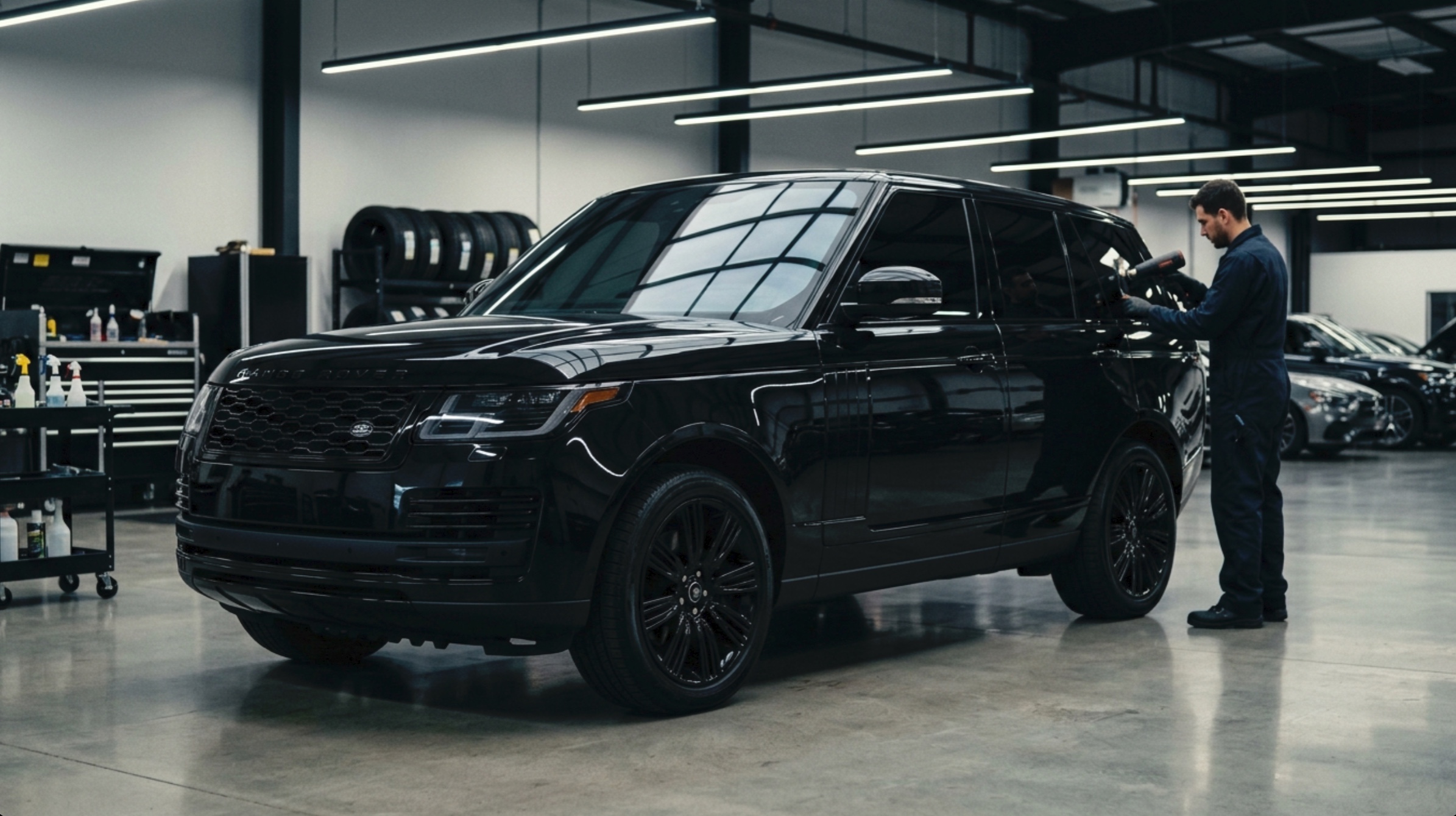
Carbon Window Tint vs Ceramic Window Tint
Choosing the right window tint for your vehicle can be confusing, especially when you begin comparing carbon window tint with ceramic window tint.
Both films can improve privacy, reduce glare, block harmful UV rays, and give your car a cleaner appearance. However, they differ in heat rejection, clarity, construction, performance, and cost.
For many drivers, the decision comes down to this:
- Carbon tint offers good performance and appearance at a more > moderate price.
- Ceramic tint usually offers stronger heat rejection and premium > performance at a higher price.
The best option depends on your vehicle, budget, driving habits, and comfort goals.
C4 Wraps provides professional window tinting in McKinney, TX, for cars, trucks, SUVs, vans, and commercial vehicles. Our team can help you compare carbon and ceramic tint options and choose a film that fits how you drive.
Call C4 Wraps at 469-458-2700 to request a quote or schedule a window tint consultation.
What Is Carbon Window Tint?
Carbon window tint is automotive window film made with carbon particles embedded in the film.
It is designed to create a dark, nonreflective appearance while helping reduce glare, UV exposure, and some solar heat.
Carbon tint is generally considered an upgrade over basic dyed film because it tends to offer better color stability and heat performance.
Potential benefits of carbon window tint include:
- A dark, matte appearance
- Improved privacy
- Reduced glare
- UV protection
- Better color stability than low-cost dyed film
- Some heat rejection
- A more affordable price than many premium ceramic films
Carbon window film can be a good option for drivers who want quality window tint without paying for the highest level of heat-rejection performance.
What Is Ceramic Window Tint?
Ceramic window tint is automotive film made with advanced ceramic particles.
These particles are designed to reduce infrared heat and UV exposure while maintaining good visibility through the glass.
Ceramic tint is often chosen by drivers who want:
- Strong heat rejection
- High UV protection
- Reduced glare
- Good optical clarity
- A nonmetallic film
- Multiple shade options
- A premium finished appearance
- Better performance in hot climates
Ceramic tint for cars is especially popular in Texas because of the strong sunlight and high summer temperatures.
What Is Nano Ceramic Tint?
Nano ceramic tint uses extremely small ceramic particles distributed throughout the film.
These particles are designed to help manage heat and UV energy without creating a metallic or highly reflective appearance.
Nano ceramic window tint may provide:
- Strong infrared heat rejection
- High UV protection
- Good visibility
- Stable color
- Reduced glare
- Nonmetallic construction
- A clean appearance
The word "nano" does not automatically mean one film is better than every other ceramic product. Performance still depends on the manufacturer, product line, specifications, installation, and warranty.
Carbon vs Ceramic Window Tint: The Main Differences
Carbon and ceramic films can both be high-quality options, but they perform differently.
Heat Rejection
Heat rejection is one of the biggest differences between carbon and ceramic tint.
Carbon window tint provides some heat reduction, but ceramic film generally offers stronger infrared and solar heat rejection.
This can make ceramic tint a better choice for drivers who:
- Spend long hours driving
- Park outside regularly
- Live in hot climates
- Want a cooler cabin
- Want the air conditioner to work more efficiently
- Drive vehicles with large windows
For Texas drivers, stronger heat rejection may be worth the higher ceramic tint cost.
UV Protection
Both carbon and ceramic window films can block harmful ultraviolet rays.
High-quality films may block up to 99% of UV radiation, depending on the product.
UV protection can help protect:
- Drivers
- Passengers
- Children
- Leather seating
- Cloth upholstery
- Dashboards
- Door panels
- Interior trim
The exact UV protection should be confirmed using the film's specifications.
Optical Clarity
Ceramic window tint generally offers excellent optical clarity.
This can make it easier to see through the glass while still benefiting from heat and glare reduction.
Carbon film can also provide good visibility, but ceramic film is often preferred by drivers who want premium clarity and performance.
Color and Appearance
Carbon tint typically creates a dark, matte, nonreflective appearance.
Ceramic tint is available in several shades and can also produce a clean, refined look.
The final appearance depends on:
- Tint percentage
- Factory glass
- Interior color
- Exterior color
- Film brand
- Lighting conditions
Neither film should create a cheap purple appearance when the product is high quality and installed correctly.
Signal Interference
Ceramic tint is nonmetallic and generally does not interfere with electronic signals.
Carbon tint is also typically nonmetallic.
This makes both options attractive for vehicles using:
- GPS
- Mobile phones
- Bluetooth
- Satellite radio
- Keyless-entry systems
Metalized films may create greater concern about signal interference, depending on their construction.
Durability
Both carbon and ceramic films can provide good long-term performance when they are high quality and professionally installed.
Ceramic film often carries a premium reputation for:
- Color stability
- Heat performance
- Clarity
- Durability
- Long-term appearance
However, product quality matters more than the label alone.
A low-quality ceramic film may not outperform a high-quality carbon film in every category.
Cost
Ceramic tint cost is usually higher than carbon tint cost.
The higher price generally reflects the film's materials, heat-rejection performance, clarity, and premium positioning.
Carbon window film is often more affordable while still providing a meaningful upgrade over basic tint.
Quick Carbon vs Ceramic Tint Comparison
Carbon Window Tint
Best for drivers who want:
- A dark, matte appearance
- Good privacy
- UV protection
- Moderate heat rejection
- Better color stability than basic dyed film
- A lower price than ceramic tint
Ceramic Window Tint
Best for drivers who want:
- Stronger heat rejection
- High UV protection
- Premium optical clarity
- Better comfort in hot climates
- Nonmetallic construction
- High-quality long-term performance
Is Ceramic Tint Better Than Carbon Tint?
Ceramic tint is generally the stronger option for heat rejection and premium performance.
However, "better" depends on your priorities.
Ceramic may be better if you care most about:
- Reducing cabin heat
- Driving comfort
- UV protection
- Clarity
- Long-term performance
- Hot-weather driving
Carbon may be better if you care most about:
- A lower price
- Privacy
- A dark appearance
- Moderate heat reduction
- Good overall value
The right choice is the one that fits your needs without paying for features you do not value.
Is Carbon Tint Good for Texas Heat?
Carbon tint can help reduce heat and glare, making it better than many basic dyed films.
However, it generally does not provide the same level of heat rejection as premium ceramic window tint.
For drivers who spend limited time on the road or park indoors, carbon tint may provide enough performance.
For drivers who commute daily, work from their vehicles, or park outside during North Texas summers, ceramic tint may offer greater comfort.
Is Ceramic Tint Worth the Cost?
Ceramic tint may be worth the higher price for drivers who value daily comfort and heat control.
It can be especially useful for:
- Daily commuters
- Contractors
- Sales professionals
- Rideshare drivers
- Delivery drivers
- Families
- Luxury vehicle owners
- Drivers with leather interiors
- Owners planning to keep their vehicle for several years
The value depends on how often you drive and how much you care about heat rejection, UV protection, and clarity.
Ceramic Tint Cost
Ceramic tint prices vary based on several factors.
These include:
- Vehicle year, make, and model
- Number of windows
- Vehicle size
- Film selected
- Tint percentage
- Windshield coverage
- Sunroof coverage
- Existing tint removal
- Glass shape
- Installation complexity
A full ceramic car tint installation usually costs more than tinting two front windows.
A full windshield or panoramic roof may also increase ceramic window tint cost.
Carbon Tint Cost
Carbon tint generally costs less than ceramic film.
The final price still depends on:
- Vehicle size
- Number of windows
- Film brand
- Tint shade
- Existing film removal
- Windshield coverage
- Sunroof coverage
- Installation difficulty
When comparing tint prices, make sure each quote includes the same windows and film type.
How Much Is Ceramic Tint?
There is no universal ceramic tint price for every vehicle.
A compact car, full-size SUV, truck, and commercial van all have different amounts of glass and installation requirements.
The best way to receive an accurate ceramic tint quote is to provide:
- Vehicle year
- Vehicle make
- Vehicle model
- Body style
- Existing tint condition
- Windows you want tinted
- Whether you want the windshield included
- Whether you want the sunroof included
Call C4 Wraps at 469-458-2700 for vehicle-specific pricing.
What Affects Window Tint Cost?
Window tint cost is affected by more than the film.
The total may include:
- Film materials
- Professional labor
- Glass cleaning
- Old tint removal
- Adhesive removal
- Heat shaping
- Difficult window access
- Windshield installation
- Sunroof installation
- Warranty coverage
A very low window tint price may only include two windows or basic film.
Always ask what is included before comparing quotes.
Which Tint Blocks More Heat?
Ceramic tint generally blocks more heat than carbon tint.
However, different brands and product lines perform differently.
Compare specifications such as:
- Total solar energy rejection
- Infrared rejection
- UV rejection
- Visible-light transmission
- Glare reduction
Do not compare films based only on how dark they appear.
A lighter ceramic film may reject more heat than a darker carbon or dyed film.
Which Tint Provides Better Privacy?
Privacy depends mostly on tint percentage rather than whether the film is carbon or ceramic.
For example:
- 70% film is light and provides limited privacy.
- 50% film provides mild privacy.
- 35% film provides moderate privacy.
- 20% film provides stronger privacy.
- 5% film is extremely dark.
A 20% carbon tint and 20% ceramic tint may look similar in darkness, but their heat-rejection performance may differ.
Which Tint Is Better for Night Driving?
Lighter tint shades generally provide better nighttime visibility than darker shades.
Ceramic film may offer excellent clarity, but a very dark ceramic tint still allows limited visible light through.
A 5% ceramic tint will still be much darker than a 35% carbon tint.
When choosing tint for front windows, consider:
- Night driving
- Poorly lit roads
- Rain
- Parking garages
- Side-mirror visibility
- Your eyesight
Film construction does not eliminate the visibility effects of a dark tint percentage.
What Is the Best Ceramic Window Tint?
The best ceramic window tint should match your vehicle and goals.
Look for:
- Strong heat rejection
- High UV protection
- Good clarity
- Stable color
- Reliable adhesive
- Appropriate tint shades
- Warranty coverage
- Professional installation
The best film is not necessarily the darkest or most expensive product.
A professional installer can help you choose a ceramic tint film based on how you drive.
What Is the Best Window Tint Brand?
There is no single best window tint brand for every driver.
Several manufacturers produce high-quality window tint film.
Instead of choosing by brand name alone, compare:
- Product specifications
- Film type
- Heat rejection
- UV protection
- Clarity
- Warranty
- Product authenticity
- Installer experience
The best window tint brand will not produce a good result if the film is installed poorly.
Why Professional Window Tinting Matters
Professional window tinting affects how the finished film looks and performs.
The installer must:
- Inspect the glass
- Remove dirt and oils
- Clean window edges
- Remove old tint if needed
- Shape the film
- Position it accurately
- Remove moisture
- Finish the edges
- Inspect the completed work
Poor installation can lead to:
- Bubbles
- Wrinkles
- Peeling
- Dust beneath the film
- Hair beneath the film
- Uneven cuts
- Gaps around the glass
- Reduced visibility
High-quality window tint requires both quality film and proper installation.
Carbon and Ceramic Tint for Different Vehicles
Cars
Both carbon and ceramic car tint can improve privacy, comfort, and appearance.
Ceramic may be better for drivers who want maximum heat rejection.
Trucks
Truck owners may choose carbon tint to match factory rear glass or ceramic tint for stronger heat control.
SUVs
SUVs often have large windows and cabins. Ceramic tint may provide more noticeable comfort benefits.
Vans
Personal and commercial vans can benefit from reduced heat and UV exposure.
Commercial Vehicles
Drivers who spend all day in work vehicles may value ceramic tint because of its stronger heat-rejection performance.
Can You Mix Carbon and Ceramic Tint?
It is technically possible to use different films on different windows, but the shades and appearance should be coordinated carefully.
For example, a vehicle could use:
- Ceramic film on the front side windows
- Lighter ceramic film on the windshield
- Film over factory rear privacy glass
Using carbon film on some windows and ceramic film on others may create differences in color or performance.
A professional installer can recommend a coordinated setup.
How to Choose Between Carbon and Ceramic Tint
Choose carbon tint if:
- You want a lower price.
- You want a dark, matte appearance.
- You want privacy and glare reduction.
- Moderate heat rejection is enough.
- You want better performance than basic dyed film.
Choose ceramic tint if:
- Heat rejection is a top priority.
- You drive frequently.
- You park outdoors.
- You want strong UV protection.
- You prefer premium clarity.
- You plan to keep the vehicle long-term.
- You want the strongest overall performance.
Why Choose C4 Wraps for Window Tinting?
C4 Wraps provides professional window tinting from its McKinney, TX, shop.
The team focuses on:
- High-quality workmanship
- Professional installation
- Premium materials
- Clear communication
- Honest recommendations
- Transparent service
- Customer satisfaction
C4 Wraps also offers:
- Commercial vehicle wraps
- Color-change wraps
- Paint protection film
- Boat wraps
- Architectural wraps and graphics
The shop is located at:
C4 Wraps
8176 FM 2478, Building 8650, Suite F
McKinney, TX 75071
Call 469-458-2700 to compare window tint options or request a quote.
Schedule Professional Window Tinting in McKinney
You do not have to choose a film based on guesswork.
C4 Wraps can help you compare:
- Carbon window tint
- Ceramic window tint
- Nano ceramic tint
- Different tint percentages
- Heat-rejection performance
- UV protection
- Windshield tint
- Full-vehicle tint packages
Call 469-458-2700 to discuss your vehicle and schedule professional window tinting.
Conclusion
Carbon window tint and ceramic window tint can both improve your vehicle's privacy, appearance, UV protection, and comfort.
Carbon tint provides a dark, stable appearance with moderate heat rejection at a more affordable price.
Ceramic tint generally provides stronger heat rejection, premium clarity, UV protection, and better performance in hot climates.
For many Texas drivers, ceramic tint is the stronger overall option. However, carbon tint may offer better value for someone who mainly wants privacy, style, and moderate performance.
The best window tint depends on your budget, driving habits, vehicle, and comfort goals.
C4 Wraps provides professional car window tinting in McKinney, TX, and can help you compare carbon and ceramic film options.
Call C4 Wraps at 469-458-2700 to request a quote and find the right tint for your car, truck, SUV, van, or commercial vehicle.
Frequently Asked Questions About Carbon vs Ceramic Window Tint
What is carbon window tint?
Carbon window tint is automotive film made with carbon particles. It provides privacy, UV protection, glare reduction, and moderate heat rejection.
What is ceramic window tint?
Ceramic window tint contains ceramic particles designed to provide strong heat rejection, UV protection, clarity, and glare reduction.
What is nano ceramic tint?
Nano ceramic tint uses extremely small ceramic particles to help manage heat and UV radiation while maintaining visibility.
Is ceramic tint better than carbon tint?
Ceramic tint generally offers stronger heat rejection and premium clarity. Carbon tint usually costs less and still provides good performance.
Which tint is better for Texas heat?
Ceramic window tint is generally better for Texas heat because it typically offers stronger heat rejection.
Is carbon tint good?
Yes. Carbon tint can provide good privacy, appearance, UV protection, and moderate heat reduction at a lower price than ceramic tint.
Does ceramic tint block more heat?
In most cases, ceramic film provides stronger heat rejection than carbon film, although specifications vary by product.
Does carbon tint block UV rays?
Many carbon films provide strong UV protection. Review the specifications of the exact film.
Does ceramic tint block UV rays?
Many quality ceramic films block up to 99% of harmful UV radiation, depending on the product.
Which tint has better clarity?
Ceramic tint generally offers excellent optical clarity.
Which tint is darker?
Darkness depends on tint percentage, not whether the film is carbon or ceramic.
Is ceramic tint easier to see through at night?
Ceramic tint can provide excellent clarity, but very dark ceramic film will still reduce nighttime visibility.
Does carbon tint turn purple?
High-quality carbon tint is generally more color-stable than basic dyed film and is less likely to develop a purple appearance.
Does ceramic tint interfere with electronics?
Ceramic tint is nonmetallic and generally does not interfere with electronic signals.
Does carbon tint interfere with electronics?
Carbon tint is also typically nonmetallic and generally does not interfere with signals.
How much is ceramic tint?
Ceramic tint cost depends on the vehicle, number of windows, film selected, existing tint, and installation complexity.
Is ceramic tint worth the cost?
It may be worth it for drivers who value heat rejection, UV protection, clarity, and long-term comfort.
Is carbon tint cheaper than ceramic tint?
Carbon tint generally costs less than premium ceramic film.
What affects window tint cost?
Vehicle size, number of windows, film type, windshield coverage, sunroof coverage, old tint removal, and installation difficulty affect pricing.
Can I use carbon tint on some windows and ceramic tint on others?
It may be possible, but differences in color and performance should be considered. A professional installer can recommend a coordinated setup.
What is the best ceramic window tint?
The best ceramic film provides strong heat rejection, UV protection, clarity, stable color, warranty coverage, and professional installation.
What is the best window tint brand?
Several brands produce quality film. Compare product specifications, warranty, authenticity, and installer experience rather than brand alone.
Where can I get professional window tinting in McKinney?
C4 Wraps provides professional window tinting at 8176 FM 2478, Building 8650, Suite F, McKinney, TX 75071.
How do I schedule window tinting with C4 Wraps?
Call 469-458-2700 to compare carbon and ceramic tint, request a quote, and schedule an appointment.
Explore Similar featured articles
Get inspired by our most impactful stories and ideas — handpicked to showcase the latest in design, technology, and strategy for wraps that turn heads.

Stand Out in Wraps — And Stay Remembered.
Step into the world of unforgettable vehicle wraps. With C4 Wraps, your perfect vision becomes reality — whether it’s your fleet, your car, or your space. Get noticed everywhere, wrap now and pay later, and enjoy a custom design experience built entirely around your vision.